
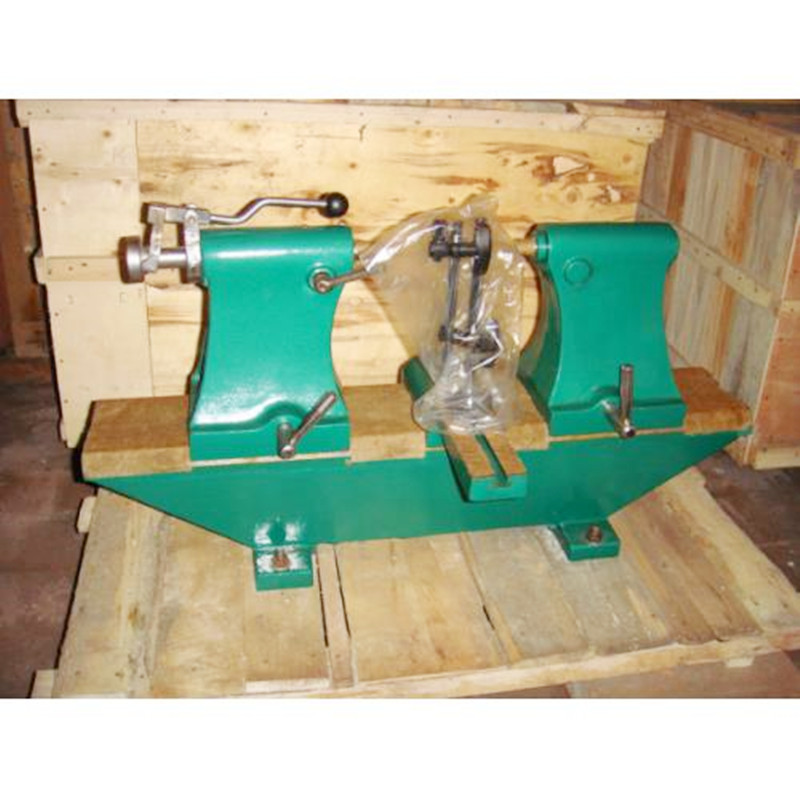
tempered glass table top cut to size
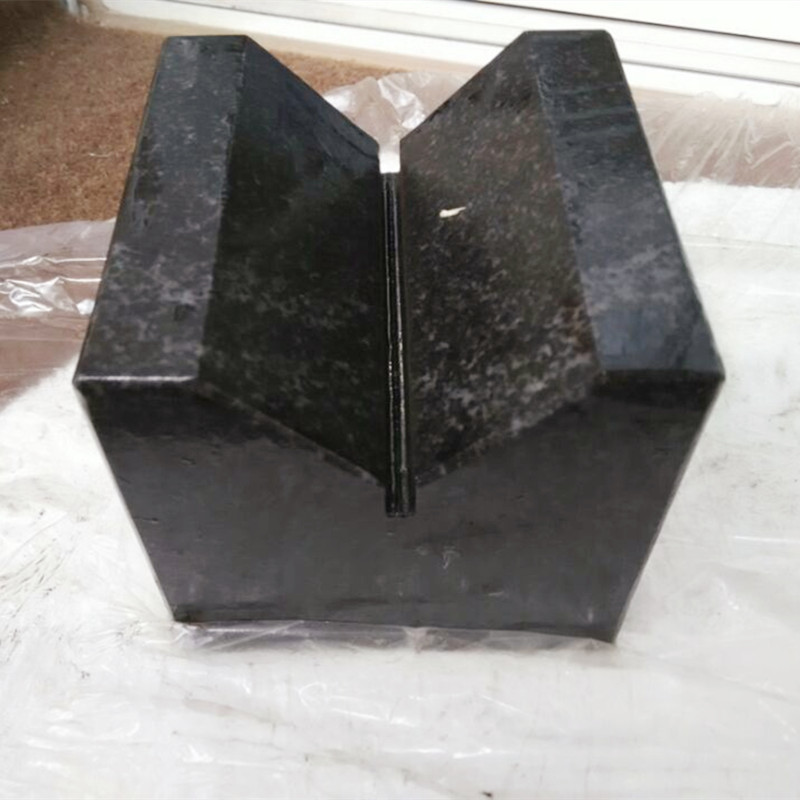
Understanding Magnetic V Blocks A Versatile Tool for Precision Work Magnetic V blocks are indispensable tools in various metalworking and machining applications. Their design allows for the secure holding of workpieces at precise angles, making them essential for tasks such as grinding, shaping, and measuring. The unique features of magnetic V blocks provide users with significant advantages in terms of versatility, accuracy, and efficiency. Design and Construction A magnetic V block typically features a robust rectangular base with a V-shaped groove on top, designed to securely hold cylindrical or rectangular objects. The core of most V blocks is constructed from high-quality steel, ensuring durability and robustness for heavy-duty applications. Integrated magnetic strips or electromagnets are embedded within the block, which allow the V block to adhere firmly to ferromagnetic surfaces. This magnetic attachment is especially beneficial in situations where traditional clamps or vises could interfere with the workpiece or measurement tool, thereby reducing setup time and enhancing precision. Benefits of Magnetic V Blocks 1. Enhanced Stability One of the primary advantages of using magnetic V blocks is their ability to hold workpieces securely in place. By providing a stable platform, they minimize vibrations and movements during machining operations, which significantly enhances the quality of the finished product. 2. Precision Alignment The V shape of the block is specifically designed to accommodate rods and shafts at precise angles, often at 90 degrees. This feature allows users to achieve exceptional accuracy in measurements and alignments. Whether for drilling, milling, or other machining processes, the ability to maintain these angles ensures higher quality results. magnetic v block 3. Adaptability Magnetic V blocks can be used with a variety of tools and machines. From lathes to mills and grinders, their versatility makes them a favorite among machinists, engineers, and hobbyists alike. They are suitable for holding small parts that may be difficult to clamp using traditional methods. 4. Ease of Use Setting up a magnetic V block is straightforward. With the simple flip of a switch or a pull of a lever, the magnetic force can be quickly engaged or disengaged, allowing for rapid setup and repositioning as needed. This user-friendly feature minimizes downtime and increases productivity. Applications Magnetic V blocks are employed in a myriad of applications across different industries. In the manufacturing sector, they are vital for precision machining of components, making them essential in processes such as drilling, milling, and grinding. Additionally, they are commonly used in inspection and quality control environments to ensure parts meet stringent specifications. In automotive and aerospace manufacturing, where precision and reliability are crucial, magnetic V blocks play a key role in ensuring components are machined accurately. They are also utilized in assembly processes, where maintaining the correct orientation of parts is essential. Conclusion In conclusion, magnetic V blocks are a valuable asset for anyone involved in machining or metalworking. Their unique design and robust capabilities offer a perfect solution for holding and aligning workpieces with utmost precision. As industries continue to demand higher quality and efficiency, the relevance of magnetic V blocks in both professional shops and DIY projects will undoubtedly remain high. Investing in a quality magnetic V block not only enhances operational effectiveness but also contributes to achieving superior results in various applications. Whether you're a seasoned machinist or a hobbyist, embracing the utility of magnetic V blocks can markedly improve your craftsmanship.
about
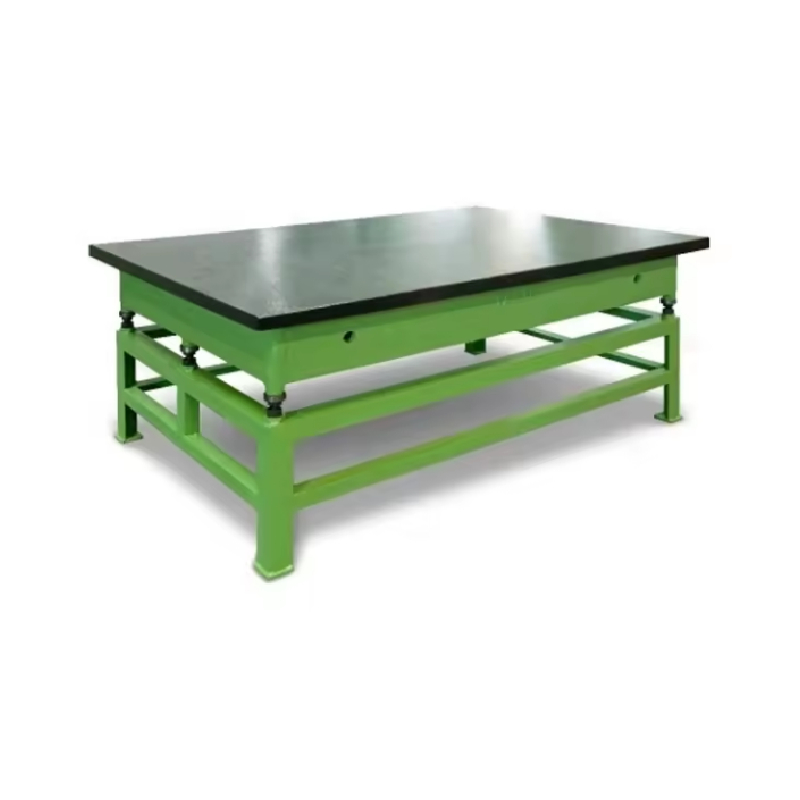
tempered glass table top cut to size
How to Close the Water Valve A Step-by-Step Guide Closing a water valve is a crucial skill for homeowners and renters alike. Whether you are tackling a plumbing issue, preparing for maintenance, or simply trying to conserve water, knowing how to properly shut off your water supply is essential. This article will guide you through the steps necessary to close a water valve safely and effectively. Why You Might Need to Close the Water Valve There are several scenarios in which you may need to close your water valve. Common reasons include 1. Plumbing Repairs If you are fixing a leaky faucet, changing out a toilet, or repairing pipes, it’s important to close the valve to prevent water from flowing and creating a mess. 2. Emergencies In the event of a burst pipe or severe leak, turning off the water can help minimize damage to your home. 3. Seasonal Maintenance For those living in colder climates, it may be necessary to shut off the water to outdoor faucets to prevent freezing and cracking during winter. Identifying Your Water Valves Before you can close a water valve, you need to know where they are located. There are usually two types of valves in a typical household 1. Main Shut-off Valve This valve controls the water supply to your entire home. It is typically located near the water meter or where the main water line enters your house. 2. Individual Shut-off Valves These valves control the water supply to specific fixtures, such as sinks, toilets, and appliances. They are usually located close to the fixture they serve. Step-by-Step Instructions to Close the Water Valve Now that you are familiar with the types of valves, here is how to close them how to close the water valve 1. Gather Necessary Tools You may not need any tools for most valves since they can often be operated by hand. However, having a wrench or pliers nearby can be helpful for more stubborn valves. 2. Locate the Valve Find the appropriate valve that you need to close. If it's the main shut-off valve, look for a round wheel or a lever. For individual fixtures, check under the sink, behind the toilet, or near appliances. 3. Turn Off the Valve - For a Round Wheel Valve Turn the handle clockwise (right) to close it. You may need to use some force if it hasn’t been turned in a while. - For a Lever Valve Switch the lever 90 degrees to the right (or perpendicular to the pipe) to shut off the water. 4. Test the Valve Once closed, turn on a faucet connected to the same line to check if water is still running. If it stops, you've successfully closed the valve. 5. Address Any Issues If the valve is leaking or difficult to turn, you may need to consult a plumber to avoid any complications. Do not force a valve that is stuck, as this could cause damage. Conclusion Knowing how to close the water valve is an important home maintenance skill. Whether you are performing repairs, tackling leaks, or mobilizing for seasonal changes, securely shutting off your water supply helps protect your property, save water, and mitigate potential damage. Always remember to check your valves periodically to ensure they remain in good working condition. With these steps, you will be well-equipped to manage your water supply efficiently.
-

High quality industrial productsagement

High quality industrial products
View Details -

Meet the diverse needs of customers

Meet the diverse needs of customers
View Details -

Strict quality control

Strict quality control
View Details -

Top raw materials

Top raw materials
View Details -

Trusted supplier

Trusted supplier
View Details
Our application


news and information
valve supplier
Choosing the right valve supplier is a critical decision for manufacturers and industries worldwide.
Válvula de puerta de 450mm
Válvula de compuerta de 450 mm Una Solución Eficiente para el Control de Fluido Las válvulas de comp
valve china
Valve Corporation, a name synonymous with gaming excellence and innovation, has strategically establ
 English